As seen on Reddit
“I've now tested tap water for microplastics in 20+ locations across West LA. Here's the contamination map.”
“I refuse to pay $600 to test my tap water for microplastics, so I built a fluorescence scope in my garage”
What LA residents are saying
“I'm a plumber in the LA area. 99% of plumbers use PEX (Poly Ethylene Crosslink) piping to re-pipe old houses. The oxidants in the water — chlorine, chloramine — cause extreme degradation, and the pipes literally release parts of themselves into the water. This is accelerated 10 fold on hot water and even more if there's a recirculating pump.”
“I really appreciate that you're making the test kits so reasonably priced. I get data, you get data, we all get a larger data set: win-win-win.”
“So basically the water is fine until it reaches the house, but some houses have better internal pipes than others”
“But what do you suggest folks do? Most filters are plastic and fit into plastic jugs. I would be surprised if they were releasing more plastic than they remove!”
“I have a Pure Water Products RO system. The holding tank has some kind of rubberized structure that the water sits in. I'm always wondering what this might be contributing in terms of microplastics… I would love to bring you a sample.”
“Let me know if you want any from the valley”
How It Works
Kit ships to you
Everything pre-measured
Run the test
Digest, stain, filter — do it at home
Shine the blue light
Microplastics glow pink
Upload your photo
Your count + dot on the public map
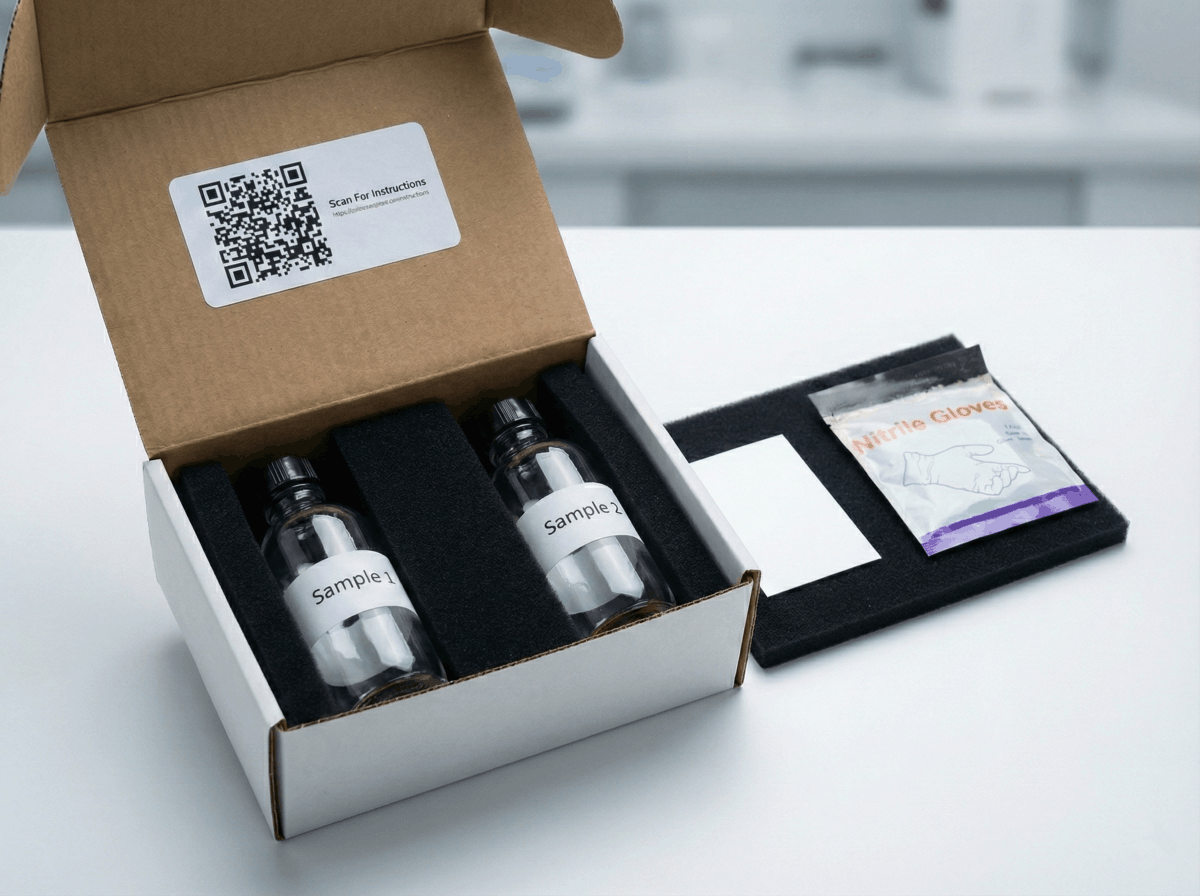
Your Kit
Here's What's in the Box
Everything pre-measured for two complete tests. You run the whole test at home — nothing gets mailed to a lab.
- Pre-measured H₂O₂ and Nile Red droppers (for 2 tests)
- Syringe + 1.0 µm filter membrane
- Blue LED flashlight + orange phone-camera clip
- Step-by-step instruction card
Community Results
Real Results from Your Neighbors
You see this yourself, with your own eyes — every bright particle is a microplastic lit up by Nile Red fluorescence under the included blue LED. No confusing PDFs, no waiting for a lab. Visual proof you can share with your family.
Click any image to see full details. These are real samples from LA homes.
Who Is This For?
Each kit runs two complete tests — here's how customers are using them.
Verify Your Filter
Own an RO system, Berkey, or whole-house filter? Run one test on your unfiltered tap and one on your filter's output. See if your investment is actually working — with your own eyes, side by side.
Test Your Hot Water
Hot water can accelerate plastic pipe degradation significantly compared to cold. Most people never think to test the hot side. Run one test on cold tap, one on hot — the difference can be dramatic.
Compare Two Sources
Test your tap vs. your favorite bottled water. Or compare your Brita pitcher to unfiltered tap. Or a baby bottle vs. the tap it came from. Find out which one is actually cleaner.
Just Curious
Test the same source twice for higher confidence, or just see what's in your water. Either way, you get two high-res microscope images.
Same Test. 12x Cheaper.
Fluorescence microscopy at a fraction of the lab cost
| Feature | SimpleLab | The Water Map |
|---|---|---|
| Price | $598+ | $50 |
| Proof | PDF Table | High-Res Image |
| Technology | GC/MS | Fluorescence Microscopy |
| Turnaround | Weeks | 48 Hours |
“But my water looks clear...”
Your eyes can only see particles larger than a grain of salt. Microplastics are 50x smaller than a human hair. You can't see them. You can't taste them. And those handheld water testers you buy on Amazon? They measure minerals like salt and calcium—they are completely blind to plastic.
You could blend a credit card into your water and your handheld tester would still say “Pure.” It's that blind.
Why I Built This
“$600 to find out what's in my water? There has to be a better way.”

My wife insisted: no more plastic in our house. Glass containers, steel bottles, the whole thing. But then she asked the question I couldn't answer: “How do we actually know there's no plastic in our water?”
I looked into it. The cheapest lab test I could find was $598. For a PDF with numbers. That's insane.
So I dug deeper. Turns out marine biologists have been detecting microplastics in ocean water for years using fluorescence microscopy—it's simple, visual, and a fraction of the cost. I built a rig to do the same thing for tap water. Now I'm making it available to everyone.
Andrew Pierno
Founder & Developer. Building tools to make invisible pollution visible.
Frequently Asked Questions
At-Home Microplastics Kit
The peer-reviewed method lab tests charge $598+ for — you just run it yourself
92% less than traditional lab testing
- Pre-measured reagents for 2 complete tests
- Syringe filter + blue LED + phone camera clip
- See particles glow pink with your own eyes
- Upload your photo — your dot joins the public map
✓ 100% money-back guarantee
Every sample adds to the LA map — LA residents only
Under the microscope
See What Plastic Looks Like in Water
Drag the slider. Every bright particle is a microplastic, detected via fluorescence microscopy.
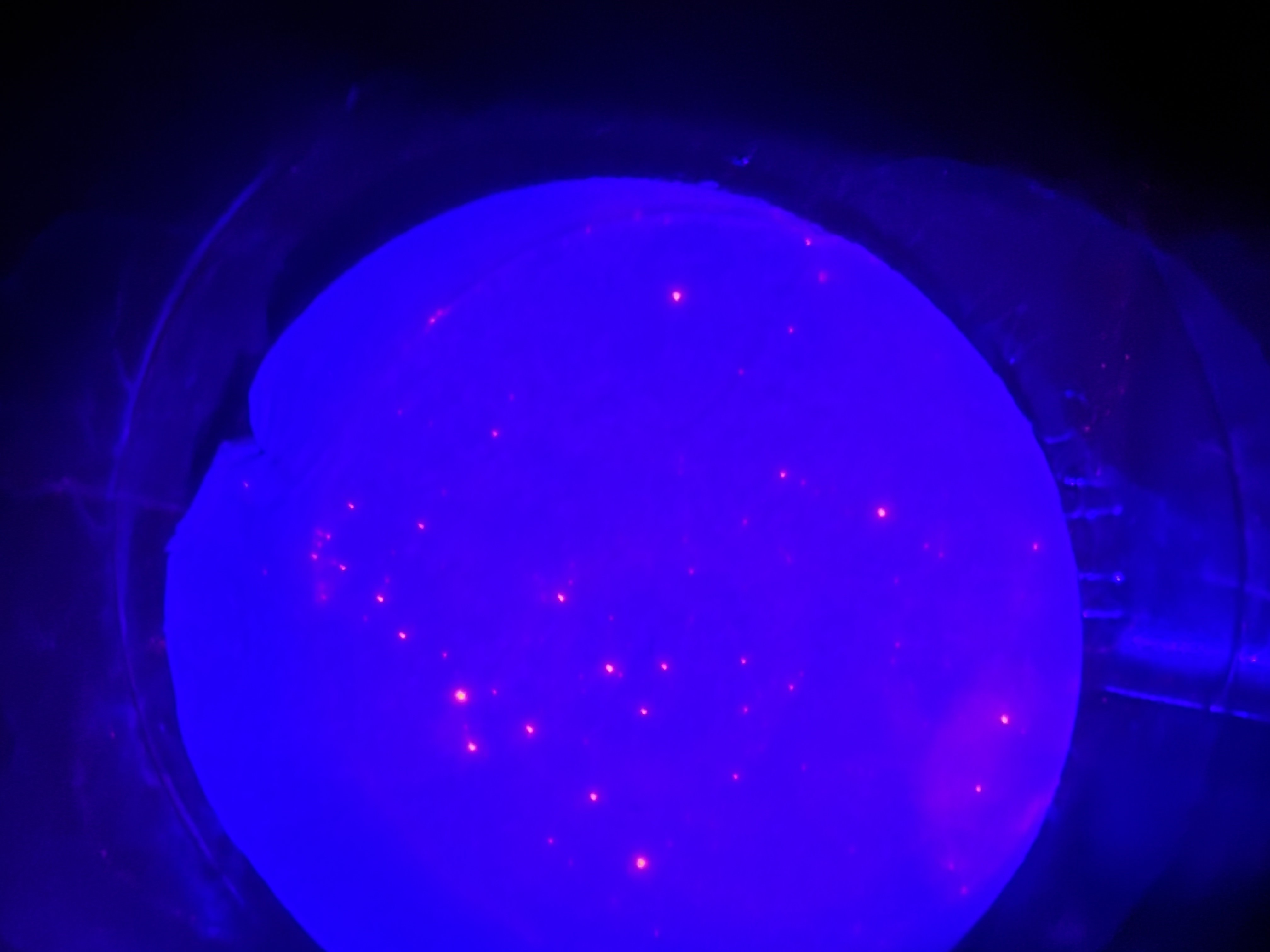
Plastic Detected
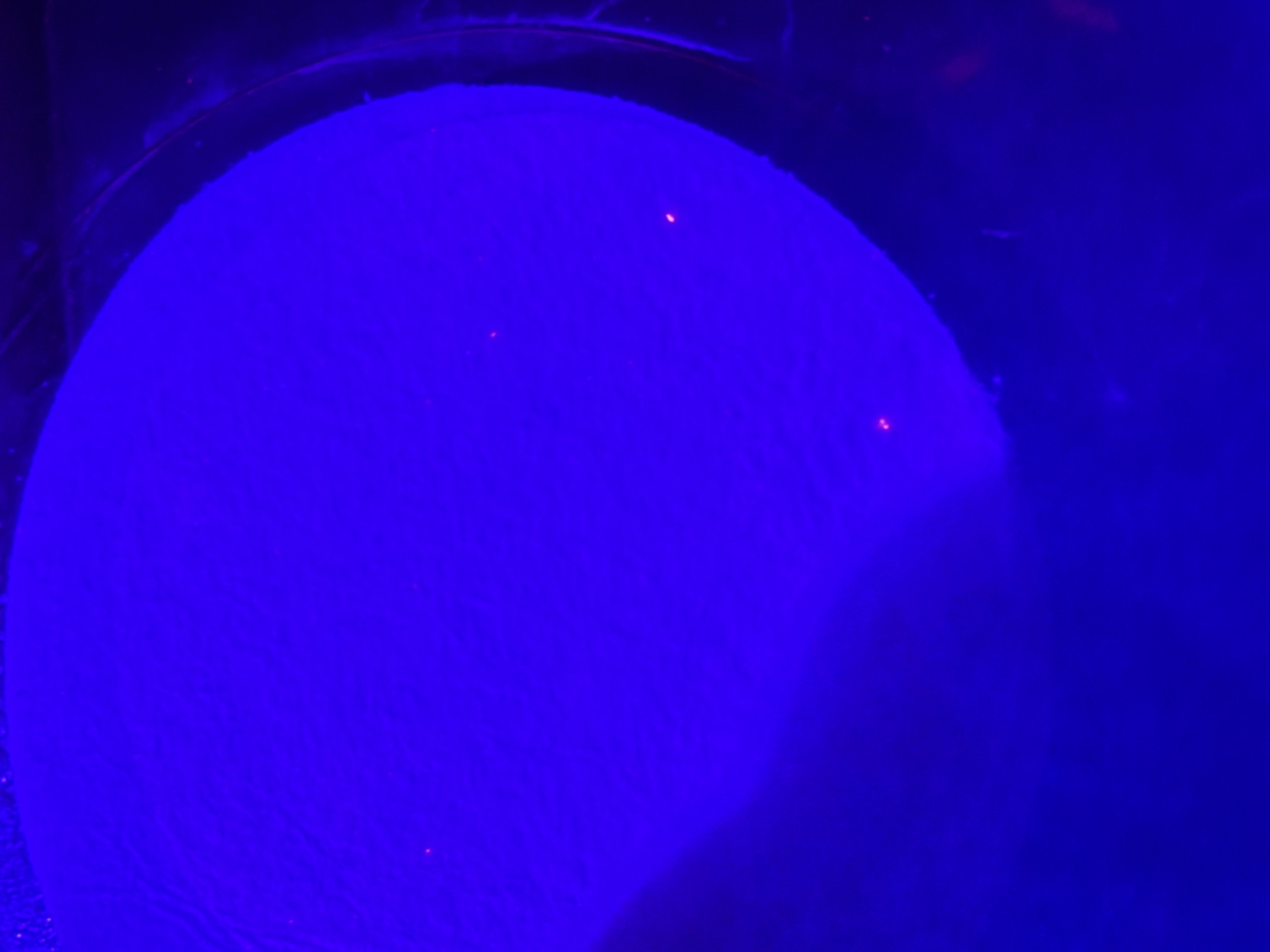
Clean Sample
← Drag to compare →
Left: Contaminated: 1-year-old plastic water bottle. Right: Clean: Properly filtered tap water.
The Science
How We Detect Microplastics
We don't use $10 strips or “estimates.” We use Fluorescence Microscopy—the same method used by marine biologists.
We Dye It
We bind a fluorescent tracer to the polymers in your water.
We Capture It
We trap everything on a 0.2-micron medical-grade membrane.
We Expose It
Under blue light, organic matter fades, but plastic glows bright.
Where Is The Plastic Coming From?
Your Pipes (Yes, They're Plastic)
If your house was re-piped, it was almost certainly done with PEX — Poly Ethylene Crosslink — a plastic pipe. Chlorine in the water degrades it, and the pipe sheds particles directly into your water.
Your Hot Water (Often Worse)
Heat can significantly accelerate plastic pipe degradation. If you have a hot water recirculating pump, the effect may be even greater. Most people never think to test the hot side.
Municipal Supply Lines
Aging plastic water mains and service lines can shed particles before the water even reaches your house.
Bottled Water
Often contains more plastic than tap due to the bottling and storage process. Plastic leaches faster in heat and over time.
Already ordered?
How To Read Your Results
Low
Among the cleanest samples in our dataset. Looking good.
Moderate
Some particles detected. Filtration can help.
High
Higher than most samples we've tested. Worth looking into filtration.
Very High
Way above most samples in our dataset. Filtration strongly recommended.
Particle counts are per 100ml sample. Compare your results to our open-source LA tap water database.
Methodology draws from research by